Mouthguards
Keep Your Smile Whole For Life
Safeguard Your Smile With Mouthguards in Seattle
Your teeth could be in danger. Do you grind your teeth when sleeping? Many of our patients aren't aware they do until we show them signs of dental damage from grinding. Do you or your children participate in a high-impact sport such as basketball, football, or soccer? If so, a mouth injury could knock out one or more teeth. Dr. Koo can help you protect your smile with mouthguards in Seattle.
A custom mouthguard made just for you prevents teeth grinding and further damage while you sleep. It also protects your teeth against injury when you're playing sports or exercising. You'll get a comfortable, secure fit you can't get from store-bought mouthguards. The sturdy, long-lasting material prevents tearing and gives you peace of mind that you're helping prevent dental emergencies.
Take steps now to protect your teeth! Contact our expert staff today. Our Seattle office is located on California Avenue Southwest, just a few blocks from Fairmount Park.
Feel Comfortable With a Perfect Fit
Our general dental office is your go-to source for protecting your teeth against damage and premature wear and tear. To create your custom mouthguard, we'll first make a mold of your teeth, then we'll have the appliance made to your exact specifications.
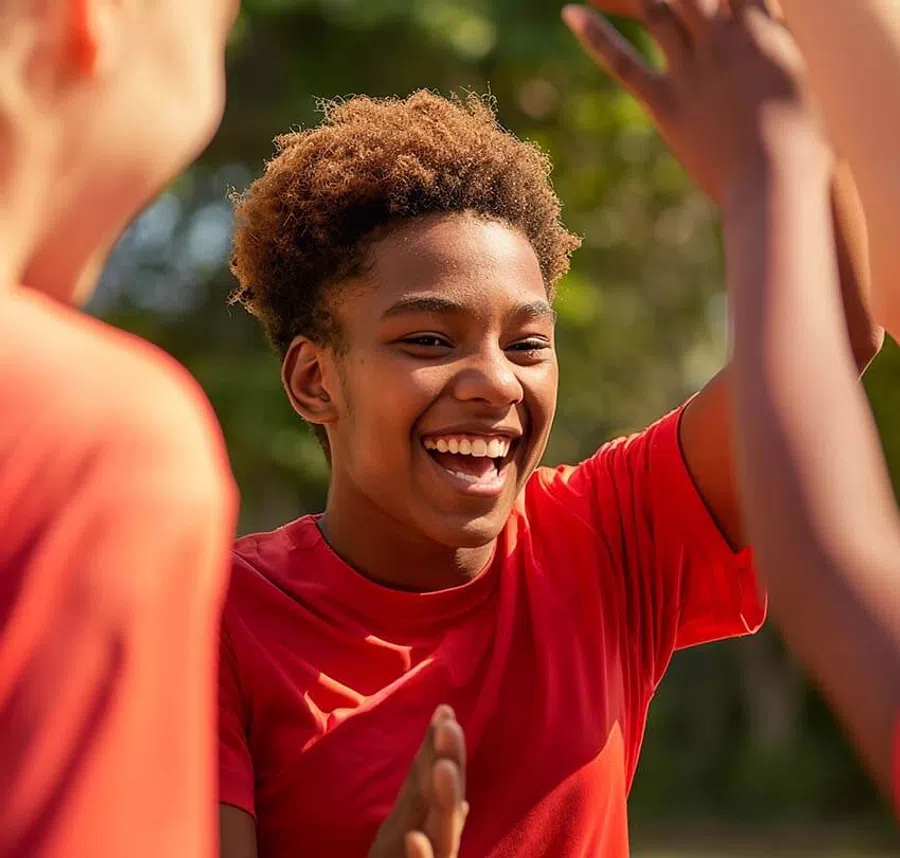
An athletic mouthguard fits securely against your teeth and helps prevent mouth injuries caused by contact with other athletes, falls, and flying objects such as balls and pucks. Baseball, volleyball, and even cheerleading are all sports that put teeth at risk. This appliance gives you the protection you need during any activity.
Stop Grinding, Stay Comfortable
An occlusal mouthguard is sometimes called a night guard because it's usually worn when you're sleeping.
It fits comfortably and snugly in your mouth and prevents damage and wear on your teeth by keeping you from grinding them together. It also makes you less likely to suffer from related symptoms such as headaches.
Save your teeth today. Call our team at Jahyun Koo DDS to get your custom mouthguards in Seattle, or contact us online.